David Chantler
South Africa
The story of Mill Park begins close to the origins of Port Elizabeth itself. Harradine records that the area "originally consisted of two pieces of ground" The one portion was shaped rather like a slice of cake and included an area on the Walmer side of the Baakens River.
This property was recorded as being seven morgen, fifteen square roods and eighty-seven square feet in extent and the original survey diagram indicates the existence of windmill in the Northern section of the land.
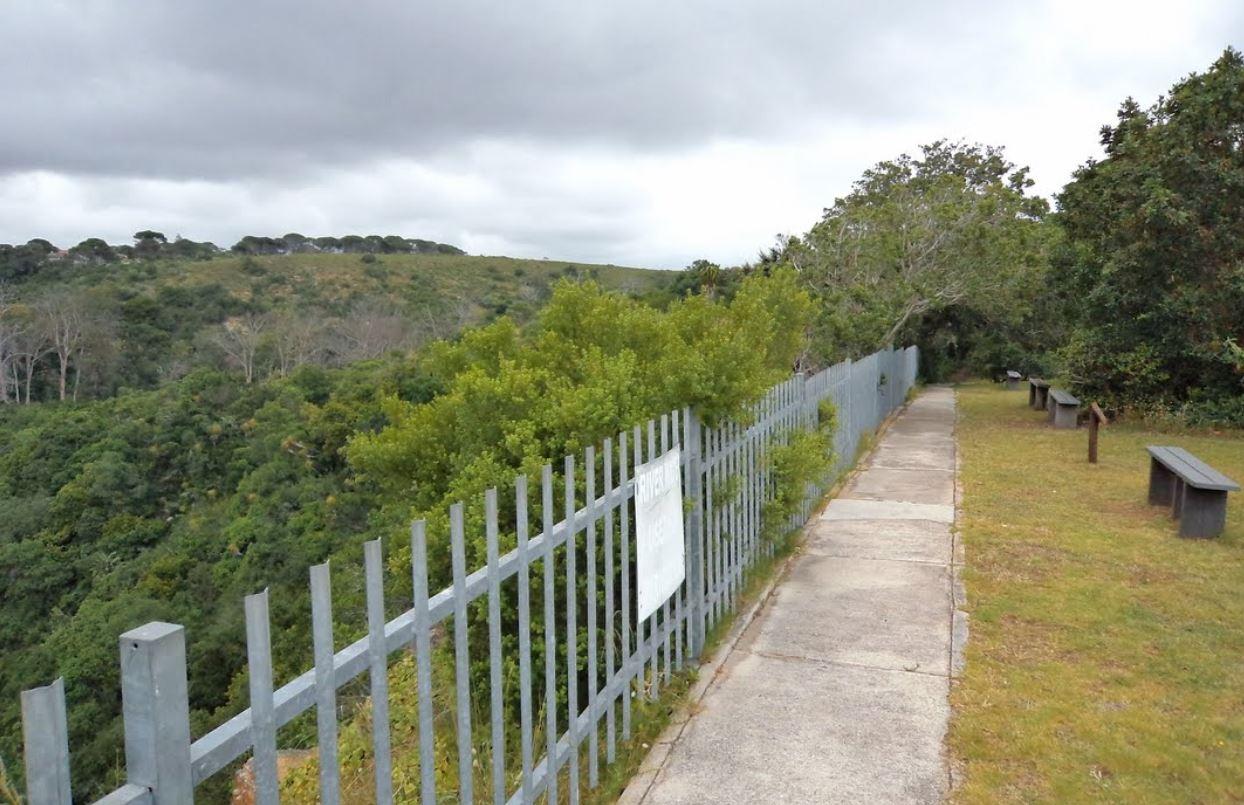
This propert was "orginally applied for by Johan Carel Giese, but granted to Hendrick Woest, an immigrant from the Netherlands, in 1814". The other property , which at 103 morgen 315 1/2 roods, was much larger than Woest's land, surrounded much of the smaller property and was first granted to Johan Godfried Schlemmer in 1825. Walton records that "windmills were introduced into the Eastern Province early in the nineteenth century. Jhn G Schlemmer, who was born at Zoerberg in the province of Saxony, Prussia, in June 1789, fought under Napoleon I and was captured by the British and sent out to South African in 1811. He settled at Welbedacht, near Fort Frederick, and there he built a windmill." The mill which Walton refers to was in all likelihood not at Welbedacht but in fact the mill on Woest's property which ultimately lent its name to Mill park.
Both pieces of land were subsequently acquired by one Hougham Hudson "but the date in uncertain". Hougham Hudson was "Resident Magistrate of Port ELizabeth, for the period, 1 April 1839 to 31 March 1846", and was Acting Secretary to the Lieutenant-Governor of the Eastern Cape, Stockenstrom, for a while. Hudson was a somewhat controversial figure who was attacked by the Grahamstown Journal of 1839 because it "felt that his rapid promotion in the civil service, his high salary and other sinecures indicated favouritism. During Hudsons period of ownership, the mill, which consisted of a small three roomed house as well as the mill poper, was used as a store for gunpowder during the 1834 frontier war, and was let for some seven years as a leper asylum to the Cape Goverment.
The town merchant and councillor, T.W. Gubb, owned both portions by 1863 "when he applied for permission to allow Africans to erect huts there and the property became known as "Gubb's Location". Redgrave describes this as follows: "adjoining the Fairview estate is the Mill Park districk, known for many years as Gubb's location, "where some eight hundred natives squatted on the property called "The Mill" Redgrave adds that "in the early sixties many natives had commenced to squat on the land, much to the annoyance of the townfolk, who complained that they had no right there. Mr Gubb, who was a member of the first Municipal Council, asked, and was granted permission for these natives to build their huts there. The old main road from Port Elizabeth to Walmer and the farms beyond passed through Gubb's Location.
The property was subsequently acquired by on Edward Cross, "and in 1887 was bought by Wlliam Darlow". Darlow eventually sold the land to the Mill Park Estate and Land Company who continued to extract revenue from the land by charging a rental to the Africans living in Gubb's location. The Africans resident in Gubb's location were eventually moved to the newly established location at New Brighton by the Municipality and The Mill Park Estate and Land Company claimed compensation for their consequent loss of earnings. The Municipality in return informed the Company that "they could sell the land (Gubb's location) for the purpose of residential development and make far in excess of the price originally paid for the land"
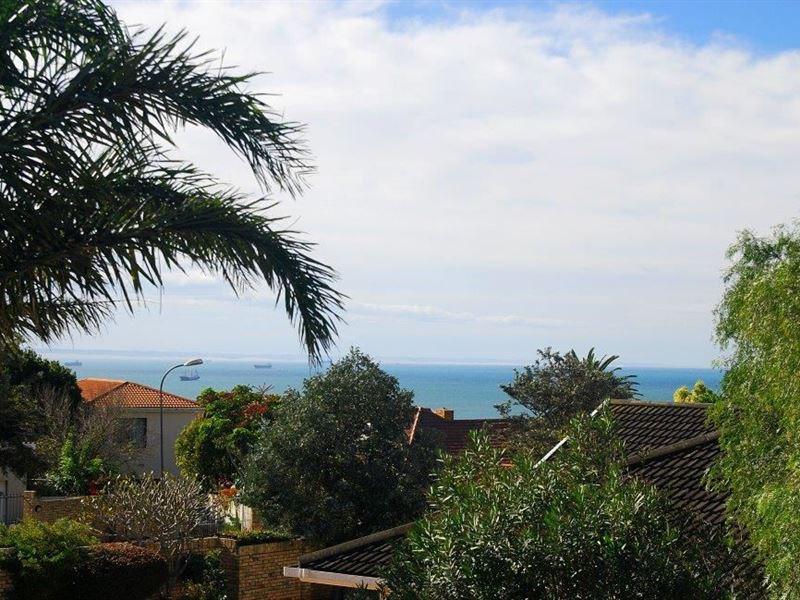
The first eighty-five residential sites in the "Mill Park Estate" were put up for sale by public auction at 11am on Tuesday, August 16, 1904. The auctioneers were Armstrong an Co. The attention of prospective purchasers of erven was drawn to the fact that ownershop of the erven would be freehold and that "purcharsers will have all the privileges of residents within the Municipality, water, gas, etc. The portion to be offered is a few minutes walk from the Cape Road Terminus of the Tramway System" They were also told that the roads had been "passed by the Town Engineer of Port Elizabeth", that " no lot is smaller than 60 x 120 ft and that the "Estate adjoins the Golf Links, and commands magnificent views of Walmer, The Sea, and the Uitenhage Mountains"
The next sale of residential sites took place on 29 August 1911 and was also a public auction conducted by Armstrong and Co. By this stage the Mill Park Estate and Land Company was in liquidation, it's finances having taken a turn for the worse. For sale were "188 level lots, each abouth 120 x 60 feet still unsold, with Macadamized Streets". In addition there was underdeveloped land which could still accommodate "about 140 level Building Lots" as well as the "Garden Ground in the Valley" (presumably Woest's arable land) and "The Picnic Ground in the Valley between 5 and 6 morgen. The bill advertising the sale also states that "on the previously sold lots some substantial Houses have been erected, and with the New Hospital and New Grey Institute Buildings to be shortly completed in the immediate vicinity, Mill Park will become the most attractive part of the Town". An aerial photograph of the Cape Road area circa 1920 shows the Grey Institue Buildings, the Hospital, a Ribbon development of houses along the Cape Road, as well as eight houses in King George Road and what appeared to be three houses in College Drive. World War One no doubt slowed down the development of the area.
The record of the results of the sale held on 29 August 1911 (Municipality) contain some interesting facts. Eighty-one erven were sold. The highest price paid was £215 which was paid for lot 165 and lot 166 (£215 each) by Agnes Dean Shaw. A number of the lots only fetched £80. Amongst those who purchased lots were: John Sime Neave, who bought lots 28 and 30 for £100 and £115 respectively; James Willis Robertson, who bought lot 14 for £140; John Henry Ferguson Heazlett, who bought lot 39, 40 and 41; and Robert George McClelland who bought lot 63 for £100. A number of women were also the purchasers of lots, they included Ethelynne Hanna Hartley (born Sargent), who bought lot 22 for £85; Charlotte Deans Simones (born Goodall), who bought lot 17 for £95; Emeline Rose Craig, who bought lot 25 for £145, Mabel Ellen craig, who bought lot 27 for £165, Murial Oldham Brewer (born Myhill), who bought lots 55, 56 and 57 for £95 each; Emily Jane Ward (born Ick) who bought lots 163 and 164 for £105 each; Maria Grace Rowbotham (born Merrington), who bought lots 60 and 61 for £100 each; and Agnes Dean Shaw. All of these women were recorded as being either unmarried or married out of community of property. Emily Jane Ward is recorded as being married to J.F. Ward "out of community of property, and Nup. Laws of New Zealand"
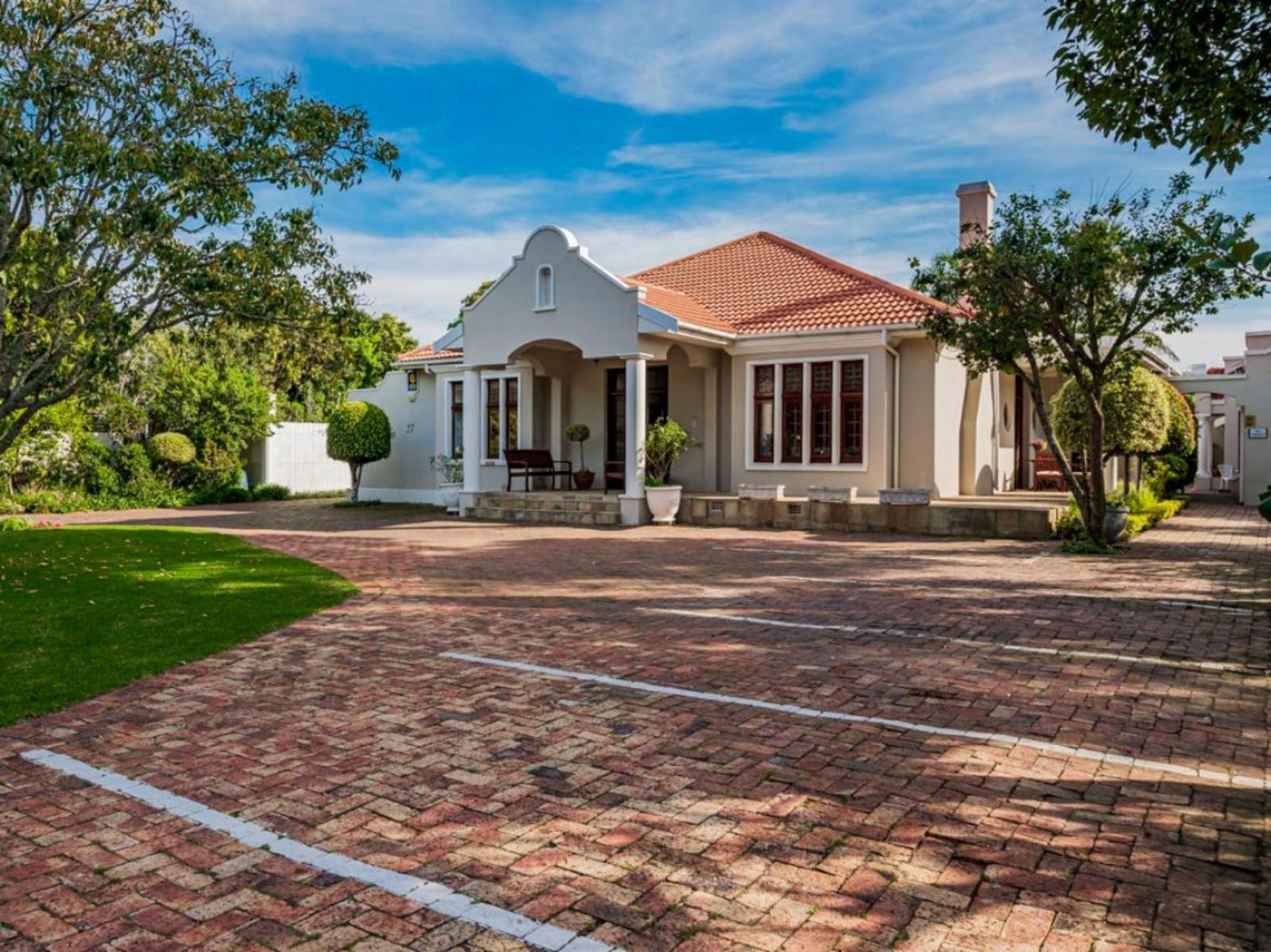
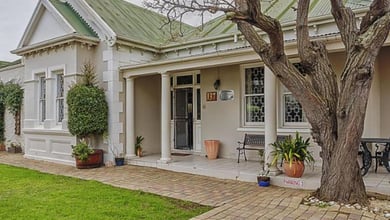
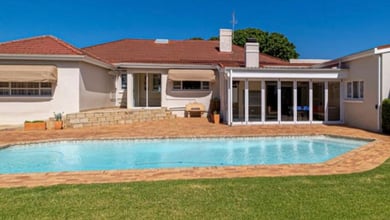
The construction of houses in Mill Park dates from slightly later than the period of township development. The houses surveyed date from 1914 to around 1940. The actual architectural development of Mill Park represents, in fact, an achievement of the period between the great wars.
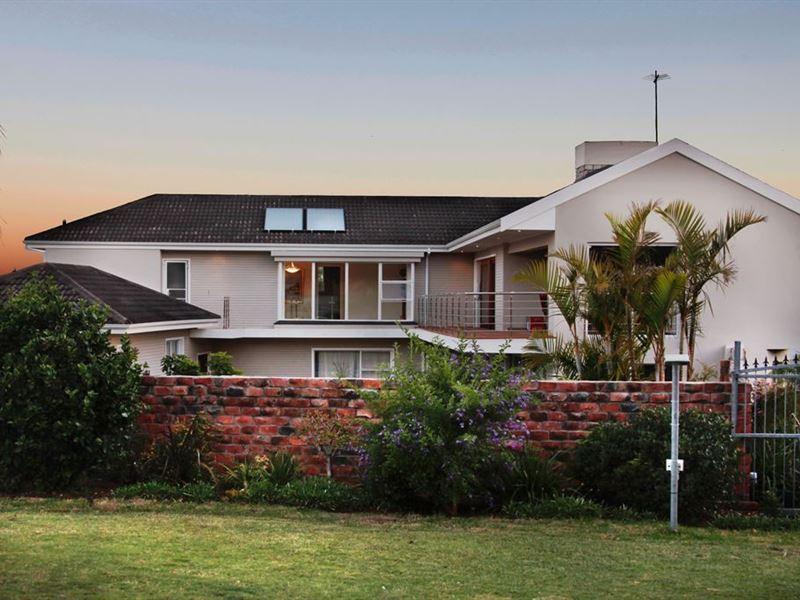
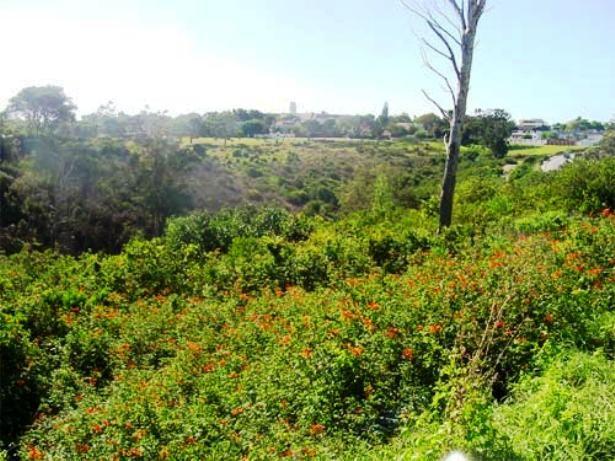
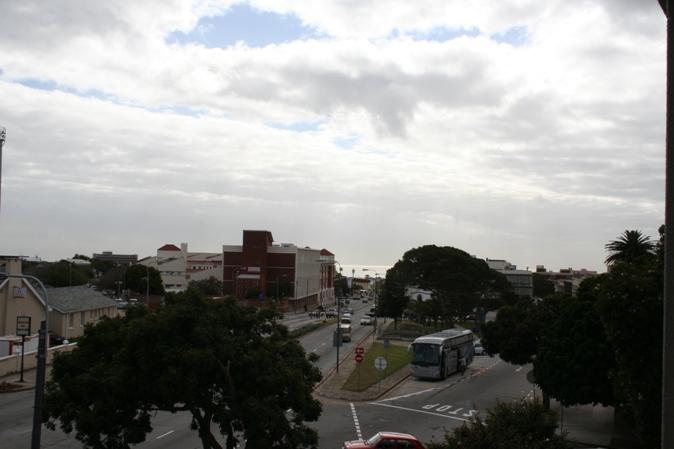
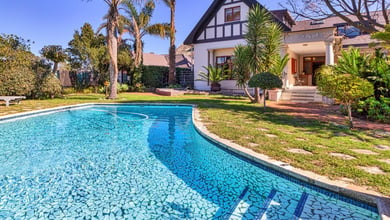
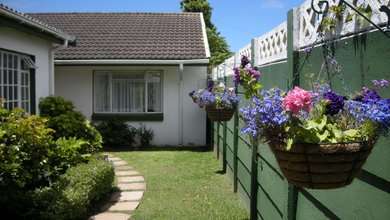
Contemporary Mill Park is, as it has always been, a lush garden suburb which is organised around the centre piece of the Grey school campus. It remains a well located, central, highly accessible suburb. It enjoys easy access to the primary arterials of Cape Road, Albany Road, Traget Kloof and Mount Road. Both the centre of the city and the Greenacres, Newton park Complex are equally accessible from Mill Park. These factors alone should ensure the continuing viability of Mill Park as a Highly desirable residential environment.
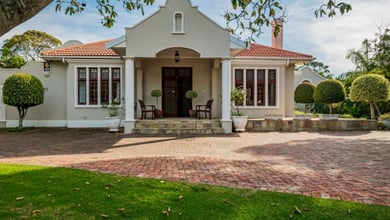
Mill Park is one of Port Elizabeth's oldest suburbs. It is a area of some uniqueness based in large part on an exceptional collection of domestic buildings of their style in the country.
19 July 2012